Old computer processors, memory modules, circuit boards, copper wire, and aluminum heat sinks organized for responsible electronics recycling.

Can You Recover Gold From Old Computer Parts? A Safer E-Waste Guide

  Old computers may look like outdated plastic and tangled wire, but their internal components contain valuable materials. Circuit boards, processors, connectors, memory modules, cables, and expansion cards can include: Gold-plated electrical contacts Copper wiring and circuit traces Aluminum heat sinks Steel cases Silver and palladium in small quantities Reusable processors, memory, drives, and fans…

Read Full News

Looking for Recommendations on Rechargeable Portable Power Stations? Start Here

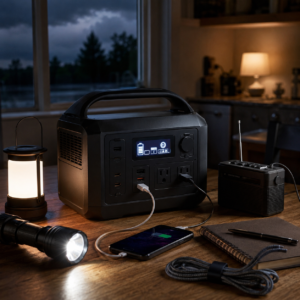
Portable power stations are becoming one of the most useful additions to a modern emergency kit. They can keep phones charged, run lights and fans, support internet equipment, power a laptop, and—in the right size—keep a refrigerator operating during a blackout. They are also useful for camping, RV trips, remote work, photography, and outdoor projects….

Read Full News

Don’t Forget to Educate Yourself About Forageable Food

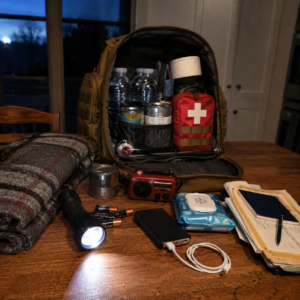
Most preparedness plans focus on stored food, bottled water, flashlights, batteries, and backup power. Those supplies matter. But there is another preparedness skill that is often overlooked: learning which useful foods grow naturally in your local area. Wild berries, nuts, greens, fruits, roots, seeds, and fungi may be found in forests, fields, coastlines, vacant lots,…

Read Full News

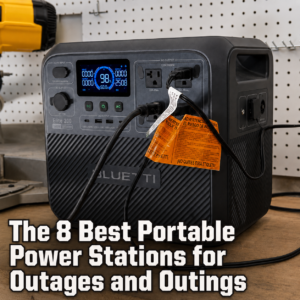
8 Best Portable Power Stations for Outages, Camping, and Off-Grid Use in 2026

A power outage can turn ordinary household needs into immediate problems. Refrigerated food begins warming, internet equipment shuts down, phones lose their charge, and essential lights or fans stop working. Portable power stations provide a quieter alternative to gasoline generators for keeping selected devices running. They combine a rechargeable battery, inverter, charging system, display, and…

Read Full News

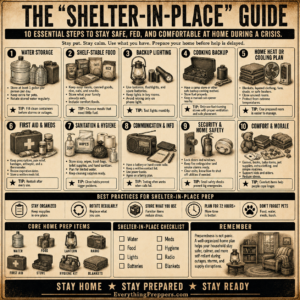
The Shelter-in-Place Guide: 10 Essential Steps to Stay Safe, Fed, and Comfortable at Home During a Crisis

Not every emergency means you need to leave home. In many storms, power outages, supply disruptions, public safety alerts, or short-term local emergencies, the safest option may be to stay indoors and use the supplies you already have. This is called sheltering in place. Sheltering in place means staying where you are, reducing exposure to…

Read Full News